In the world of machining, metalworking, woodworking, and precision engineering, understanding the difference between a reamer and a drill bit is essential for achieving accurate and high-quality results. Although both tools are used to create and refine holes, they serve different purposes and are designed with distinct features. Many beginners and even experienced technicians sometimes confuse these tools, but using the right one at the correct stage of the drilling process can significantly impact the finish, tolerance, and overall performance of a project.
The difference between reamer and drill bit lies in their function and precision. A drill bit is used to create a hole in material, while a reamer is used to enlarge and finish an existing hole with high accuracy and smooth surface finish, ensuring precise dimensions and improved tolerance in machining applications.
A drill bit is primarily used to create a hole, while a reamer is used to refine and finish an existing hole to achieve a precise diameter and smooth surface. Knowing when and how to use each tool can enhance productivity, improve dimensional accuracy, and reduce material waste in various industrial and DIY applications.
What Is a Drill Bit?
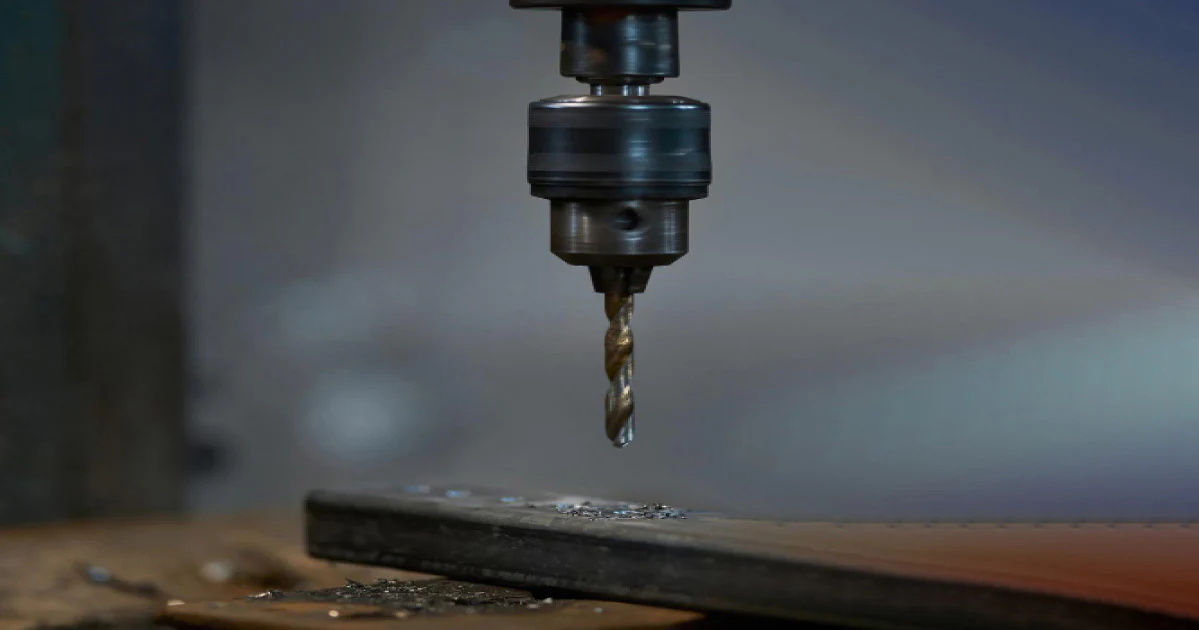
A drill bit is a cutting tool designed to create holes in materials such as metal, wood, plastic, and concrete. It is commonly used with drilling machines, handheld drills, and CNC machines. Drill bits come in various shapes, sizes, and materials, each suited for specific applications and materials.
The most common type is the twist drill bit, which features helical flutes that help remove chips and debris during drilling. Drill bits are designed to cut into solid material and remove material quickly, making them ideal for initial hole creation. They are available in different materials such as high-speed steel (HSS), carbide, and cobalt, depending on the hardness and type of material being drilled.
Drill bits are widely used in construction, manufacturing, automotive repair, woodworking, and general maintenance tasks. Their primary function is to penetrate the surface and produce a hole of approximate size, but not necessarily with high precision or smooth finishing.
What Is a Reamer?
A reamer is a precision cutting tool used to enlarge and finish a pre-drilled hole to an exact size with a smooth surface finish. Unlike drill bits, reamers are not designed to create holes from scratch. Instead, they remove a small amount of material from the inner surface of an existing hole to improve dimensional accuracy and surface quality.
Reamers are commonly used in machining operations where tight tolerances are required. They are available in various types, including hand reamers, machine reamers, chucking reamers, and adjustable reamers. These tools are often made from high-speed steel or carbide for durability and precision.
Because reamers cut minimally and with high accuracy, they are essential in industries such as aerospace, automotive, and precision engineering, where exact hole sizes and smooth finishes are critical.
Key Differences Between Reamer and Drill Bit
1. Purpose and Function
The most significant difference between a reamer and a drill bit lies in their primary function. A drill bit is used to create a hole in solid material, while a reamer is used to finish and slightly enlarge an already drilled hole. Drill bits focus on material removal and speed, whereas reamers emphasize precision and surface finish.
2. Level of Precision
Drill bits typically produce holes with less precision due to factors such as vibration, tool deflection, and material resistance. As a result, the hole diameter may not be perfectly accurate. Reamers, on the other hand, are designed for high precision and can achieve tight tolerances with consistent hole dimensions.
3. Cutting Design and Structure
Drill bits usually feature sharp cutting edges and pointed tips that allow them to penetrate material effectively. They have deep flutes for chip removal and aggressive cutting action. Reamers have multiple straight or helical cutting edges with a slight taper, allowing them to refine the hole gradually and produce a smoother finish.
4. Material Removal Rate
Drill bits remove a significant amount of material in a single operation, making them suitable for fast drilling tasks. Reamers remove only a small amount of material, typically a few thousandths of an inch, to ensure accuracy and improved surface quality.
5. Surface Finish Quality
Holes drilled with a drill bit often have rough internal surfaces due to rapid cutting and chip formation. Reamers provide a much smoother and polished interior surface, which is essential for applications involving bearings, shafts, and precision fittings.
6. Application Stage
Another key difference is the stage at which each tool is used. Drill bits are used at the beginning of the hole-making process, while reamers are used after drilling to achieve the final size and finish. Using a reamer without pre-drilling is ineffective and may damage the tool.
Types of Drill Bits
There are several types of drill bits designed for different applications and materials. Twist drill bits are the most common and versatile. Spade bits are used for woodworking, while masonry bits are designed for drilling into concrete and brick. Step drill bits are ideal for enlarging holes in thin materials, and carbide drill bits are suitable for hard metals.
Each type of drill bit is engineered for specific cutting conditions, speeds, and materials, making them essential tools in both professional and DIY settings.
Types of Reamers
Reamers are also available in various forms to suit different machining needs. Hand reamers are operated manually for precise finishing, while machine reamers are used with drilling machines or lathes. Adjustable reamers allow size customization, and chucking reamers are commonly used in industrial machining for high-precision operations.
These variations provide flexibility and ensure that reamers can be used in a wide range of applications requiring exact hole tolerances.
When to Use a Drill Bit vs a Reamer
Choosing between a drill bit and a reamer depends on the requirements of the project. If the goal is to create a new hole quickly, a drill bit is the appropriate tool. However, if the hole must meet strict dimensional accuracy and smoothness standards, a reamer should be used after drilling.
For example, in mechanical engineering, holes for bolts, pins, and shafts often require reaming to ensure proper fit and alignment. In woodworking, drill bits are usually sufficient because ultra-precise tolerances are less critical.
Advantages of Using a Drill Bit
Drill bits are versatile, widely available, and suitable for various materials and applications. They allow fast hole creation and are easy to use with different types of drilling equipment. Additionally, they come in a broad range of sizes, making them ideal for general-purpose tasks.
Another advantage is cost-effectiveness. Drill bits are generally more affordable than reamers and can handle heavy-duty drilling tasks efficiently.
Advantages of Using a Reamer
Reamers provide superior accuracy, smooth surface finishes, and improved hole consistency. They are essential in precision engineering applications where exact measurements are required. Using a reamer also reduces friction and wear in mechanical assemblies by ensuring properly sized and aligned holes.
Furthermore, reamers enhance the longevity of components by minimizing stress caused by rough or improperly sized holes.
Common Mistakes to Avoid
One common mistake is using a reamer to drill a hole from scratch, which can damage the tool and produce poor results. Another error is drilling a hole to the exact final size before reaming. Ideally, the pre-drilled hole should be slightly smaller than the desired final diameter to allow the reamer to function effectively.
Using incorrect speeds and feeds can also affect tool performance and surface finish. Proper lubrication and alignment are essential when using both drill bits and reamers to ensure optimal results.
Conclusion
Understanding the difference between a reamer and a drill bit is crucial for achieving accurate and professional machining results. While drill bits are designed for creating holes quickly and efficiently, reamers are specialized tools used for finishing holes with high precision and smooth surface quality. Both tools play essential roles in manufacturing, engineering, construction, and DIY projects.
By selecting the right tool for the appropriate stage of the drilling process, users can improve accuracy, enhance surface finish, and extend the lifespan of both tools and components. Whether working in a professional workshop or handling home projects, knowing when to use a drill bit and when to use a reamer ensures better performance, efficiency, and overall quality in any drilling operation.