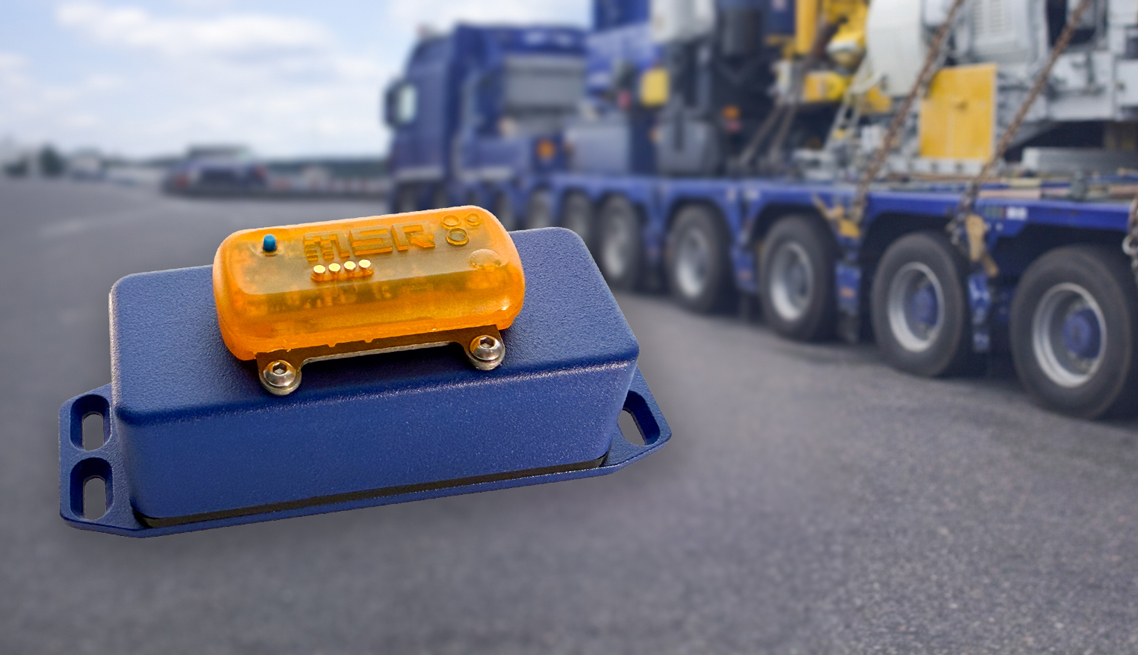
A shock data logger is an essential monitoring device used to record impacts, vibrations, and movement during the transportation and storage of sensitive equipment. Industries such as healthcare, aerospace, electronics, automotive, manufacturing, and logistics rely on these devices to ensure valuable products arrive safely and without hidden damage. By continuously tracking shock events and environmental conditions, businesses gain valuable insights into handling practices and can take corrective action to reduce losses.
Whether you’re shipping fragile medical equipment, industrial machinery, or precision electronics, a shock data logger provides accurate data that helps improve supply chain visibility and product protection.
What Is a Shock Data Logger?
A shock data logger is a compact electronic device that measures and records physical impacts experienced during transportation or storage. Using built-in sensors, it detects acceleration forces caused by drops, collisions, rough handling, or excessive vibration.
Many advanced models also monitor additional environmental conditions such as:
- Temperature
- Humidity
- Tilt and orientation
- Vibration
- Pressure
- Light exposure
- GPS location
The recorded information can later be downloaded and analysed to determine whether a shipment experienced conditions outside acceptable limits.
How a Shock Data Logger Works
A shock data logger contains highly sensitive accelerometers that continuously monitor movement. When an impact exceeds a predefined threshold, the device records valuable information, including:
- Date and time
- Peak acceleration (G-force)
- Duration of impact
- Direction of movement
- Number of shock events
- Vibration levels
- Environmental conditions (depending on the model)
This detailed information helps businesses identify where and when damage may have occurred during shipping.
Why Shock Monitoring Matters
Many products suffer hidden damage during transport that is not immediately visible. Internal components may be weakened even though external packaging appears undamaged.
Using a shock data logger allows companies to:
- Identify rough handling
- Verify shipping conditions
- Improve packaging design
- Reduce warranty claims
- Protect expensive equipment
- Increase customer satisfaction
- Support insurance claims
- Improve carrier accountability
Monitoring transport conditions provides valuable evidence that helps prevent disputes and improve overall logistics performance.
Industries That Use Shock Data Loggers
Shock monitoring technology is widely used across numerous industries.
Medical Equipment
Hospitals and healthcare suppliers transport highly sensitive imaging equipment, laboratory instruments, and diagnostic devices. Even moderate impacts can affect calibration or performance.
Electronics
Computers, servers, telecommunications equipment, and semiconductor components require careful handling throughout the supply chain.
Aerospace
Aircraft components and aerospace systems demand strict transport monitoring to maintain safety and compliance standards.
Automotive Manufacturing
High-value automotive parts and precision-engineered components benefit from continuous shock and vibration monitoring during shipment.
Industrial Machinery
Heavy machinery and manufacturing equipment often travel long distances before installation. Shock data loggers help verify safe transportation.
Art and Museum Collections
Museums, galleries, and auction houses use shock monitoring devices to protect valuable artwork, sculptures, antiques, and historical artefacts during transit.
Key Features to Consider
When selecting a shock data logger, consider the following features:
High Measurement Accuracy
Choose a device capable of accurately recording both minor vibrations and severe impacts.
Adjustable Shock Thresholds
Different products tolerate different impact levels. Configurable thresholds allow monitoring to match shipment requirements.
Long Battery Life
Extended battery performance is essential for international shipping and long-term storage applications.
Large Memory Capacity
Sufficient storage ensures every event is recorded throughout lengthy transportation routes.
Wireless Connectivity
Many modern devices support Bluetooth, USB, Wi-Fi, or cloud-based data transfer for convenient reporting.
Multi-Parameter Monitoring
Advanced models monitor shock alongside temperature, humidity, tilt, vibration, and GPS location, providing a complete view of shipment conditions.
Benefits of Using a Shock Data Logger
Investing in a shock monitoring system offers numerous advantages.
Improved Product Protection
Continuous monitoring helps identify transport risks before they result in expensive product failures.
Better Packaging Design
Recorded impact data enables manufacturers to improve packaging materials and cushioning methods.
Supply Chain Visibility
Real-world transport data provides valuable insight into handling practices across warehouses, carriers, and distribution centres.
Reduced Costs
Preventing damaged shipments reduces replacement costs, warranty claims, insurance disputes, and customer complaints.
Regulatory Compliance
Certain industries require documented transport conditions for quality assurance and regulatory compliance.
Applications Beyond Transportation
Although shipping is the most common application, shock data loggers are also valuable in many other situations.
Examples include:
- Equipment installation monitoring
- Warehouse storage
- Laboratory testing
- Military logistics
- Renewable energy equipment
- Construction machinery
- Offshore engineering
- Scientific research
Any situation involving valuable or sensitive equipment can benefit from accurate shock monitoring.
Choosing the Right Shock Data Logger
Selecting the best device depends on your specific application.
Consider factors such as:
- Expected shock levels
- Environmental conditions
- Shipment duration
- Required reporting features
- Industry compliance standards
- Battery life
- Sensor accuracy
- Data export options
Working with an experienced monitoring equipment supplier helps ensure you select the most appropriate solution for your products.
Best Practices for Effective Monitoring
To maximize the value of a shock data logger:
- Configure appropriate alarm thresholds before shipping.
- Securely attach the logger to the shipment.
- Calibrate devices according to manufacturer recommendations.
- Download and review data promptly after delivery.
- Investigate repeated impact events.
- Use collected data to improve packaging and carrier selection.
Consistent monitoring helps build a more reliable and efficient logistics process over time.
Conclusion
A shock data logger is a valuable tool for protecting sensitive products throughout transportation, storage, and handling. By accurately recording impacts, vibration, and environmental conditions, these devices provide businesses with actionable data that improves product safety, reduces damage, and enhances supply chain visibility.
Whether you’re shipping medical equipment, industrial machinery, electronics, or valuable artwork, investing in a high-quality shock data logger helps minimize risk, strengthen quality control, and improve customer confidence. As global supply chains become increasingly complex, reliable transport monitoring has become an essential part of modern logistics and asset protection.