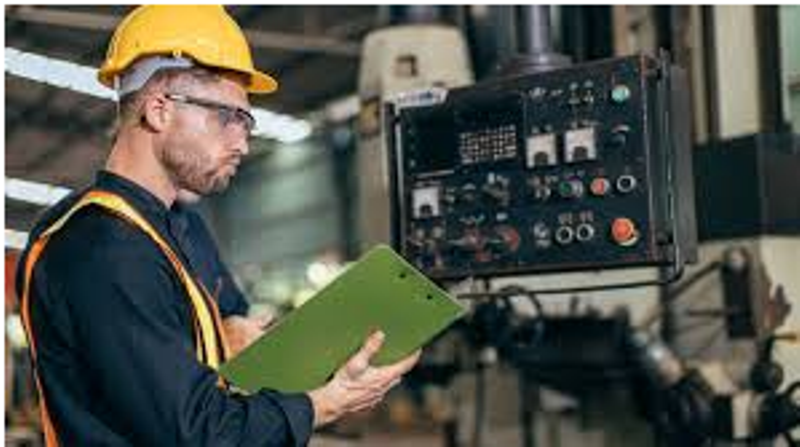
In today’s fast-paced manufacturing world, getting products out the door quickly is important, but getting them right matters even more. One small flaw can damage a brand’s reputation, lead to expensive recalls, or worse, put consumers at risk. This is why product inspection plays such a vital role in maintaining quality and trust from start to finish.
Product inspection isn’t just a final glance before shipping. It’s a structured process that checks whether goods meet design specifications, perform as expected, and comply with safety standards. Done properly, it catches issues early, saves money, and keeps customers happy.
Why Product Inspection Really Matters
Think about it for a second. Customers expect consistency. Whether it’s electronics, apparel, toys, or machinery, they want products that work reliably and look exactly as promised. A solid inspection process delivers that assurance.
Companies that skip or rush inspections often pay the price later. Returns pile up, reviews turn negative, and regulators may step in. On the flip side, businesses with strong inspection protocols enjoy fewer complaints, stronger supplier relationships, and smoother market access.
The Core Elements of Effective Inspection
Comprehensive product inspection usually combines several techniques to cover all bases:
- Visual checks for surface defects, color accuracy, and overall appearance
- Functional testing to confirm the item performs its intended purpose
- Dimensional measurements to verify size and fit
- Safety assessments for potential hazards
These steps vary by industry, of course. Consumer electronics might focus heavily on performance and electrical safety, while textiles emphasize stitching quality and fabric strength. The goal remains the same: confirm the product is ready for the real world.
When and How Inspections Take Place
Inspections happen at multiple stages. Early checks during production catch problems before too many units are made. Mid-production reviews help adjust processes in real time. Final random sampling, often called quality control inspection, provides the last line of defense before packing.
Many companies rely on statistically based sampling plans like AQL (Acceptable Quality Limit). This approach examines a representative portion of the batch rather than every single item, making it practical for large orders while still offering reliable results.
The Growing Role of Technology
Inspection methods have come a long way. Basic tools like calipers and magnifying glasses remain essential, but advanced options are changing the game. Digital imaging spots tiny defects that the human eye might miss. Automated testing equipment runs performance checks faster and more consistently.
Some factories now use smart cameras and AI-driven systems that flag anomalies instantly. These tools reduce human error and speed up the process without sacrificing accuracy.
Common Challenges and How to Handle Them
Even the best plans face hurdles. Tight deadlines can pressure teams to cut corners. Inconsistent training leads to varying judgment calls. Remote suppliers sometimes make on-site visits tricky.
The fix? Clear standards, regular training, and strong communication. Documentation matters too. Detailed reports with photos and measurements create a clear trail if questions arise later.
Specialized Inspections for Unique Needs
Not every product fits a one-size-fits-all approach. Some require highly specialized checks. For example, welding inspection demands expertise in non-destructive testing methods like ultrasonic or radiographic examination to ensure structural integrity without damaging the part.
Metal fabricators, pipeline builders, and aerospace manufacturers depend on these precise techniques. A missed weld flaw can have catastrophic consequences, so thorough verification is non-negotiable.
Choosing the Right Inspection Partner
Many businesses turn to third-party services for unbiased evaluations. An experienced inspection company brings objectivity, global standards knowledge, and specialized equipment that in-house teams may lack.
When selecting a partner, look for proper accreditation, industry experience, and a track record in the specific product category. Good companies provide clear reports and work flexibly across different regions.
Building a Culture of Quality
At the end of the day, great inspection isn’t just about catching defects. It’s about preventing them. The most successful organizations treat quality as everyone’s responsibility, not just the inspection team’s job.
Training production staff, designing robust processes, and gathering feedback from inspections all feed into continuous improvement. Over time, defect rates drop, efficiency rises, and customer satisfaction climbs.
Final Thoughts: Make Inspection a Priority
In a competitive global market, cutting corners on product integrity is never worth the risk. Comprehensive inspection techniques protect brands, reduce waste, and deliver the reliability customers expect.
Whether managing in-house teams or working with external experts, investing time and resources in thorough checks pays off repeatedly. Products leave the facility with confidence, arrive as promised, and keep buyers coming back.