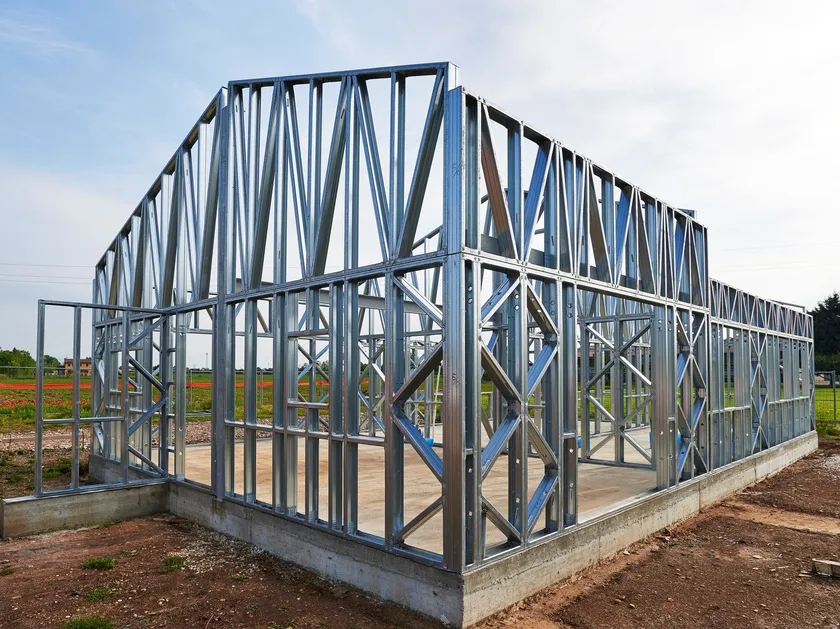
In the fast-evolving world of architecture and construction, building professionals are continually seeking solutions that balance durability, cost-efficiency, sustainability, and design flexibility. One innovation that has rapidly gained traction is the use of steel framing system. From residential homes to towering commercial developments, steel frames have become synonymous with modern strength and reliability.
This article explores the core advantages of steel framing systems, demonstrating why they are reshaping the future of construction and offering compelling benefits for builders, developers, and property owners.
What Is a Steel Framing System?
A steel framing system uses high-strength steel components—mainly columns, beams, studs, and tracks—to construct the skeleton of a building. Unlike traditional timber frames, steel frames offer precision engineering and can be used for load-bearing, non-load-bearing, or mixed structural applications. These systems are prefabricated or custom-designed, allowing for swift assembly on site.
Core Advantages of Steel Framing Systems
1. Unmatched Strength and Durability
Steel exhibits a high strength-to-weight ratio, making it far more resilient to stress, heavy loads, and extreme weather than wood or concrete alternatives. Structures built with steel frames can better withstand earthquakes, strong winds, and even fire, increasing the safety and lifespan of a building.
2. Design Flexibility
Steel’s malleability and precision engineering open doors to creative architectural forms that are hard to achieve with timber. Large open spaces, intricate shapes, and long spans without supporting columns are all possible, giving architects greater freedom in their designs.
3. Speed of Construction
Prefabricated steel framing systems are manufactured off-site with exact measurements. Once delivered, components fit together seamlessly, reducing on-site labor time and the risk of errors. This speed helps minimize delays, lower labor costs, and enable faster occupancy.
4. Resistance to Pests and Rot
Unlike wood, steel is immune to termites, carpenter ants, and other pests. It does not warp, crack, split, or rot due to moisture, making it a top choice for buildings in humid or pest-prone environments.
5. Sustainability and Environmental Benefits
Steel framing is a highly sustainable choice. Most steel used in construction today contains a high percentage of recycled material and can be fully recycled at the end of a building’s life cycle. Efficient manufacturing processes further minimize waste, and steel’s longevity reduces the need for replacement, conserving resources.
6. Consistency and Precision
Steel components are produced in controlled factory conditions, ensuring reliable quality and uniform dimensions. This precision results in straighter walls, flush corners, and easier installation of finishes like drywall and siding.
Energy Efficiency and Fire Resistance
Steel is non-combustible and does not contribute to a fire’s spread, making it ideal for fire-prone zones or buildings requiring higher safety standards. With proper insulation, steel-framed buildings also achieve excellent energy efficiency, maintaining comfortable indoor climates and reducing heating and cooling costs.
Challenges and Considerations
While steel framing systems offer substantial benefits, they also require careful attention to insulation and thermal bridging since steel conducts heat and cold more rapidly than wood. Solutions may include advanced insulation techniques and thermal break materials to optimize energy efficiency and prevent condensation.
Professional expertise is also essential in the design and installation process. Working with experienced engineers and installers ensures structural integrity and compliance with codes.
Applications of Steel Framing Systems
- Residential homes: Especially in regions with high termite risk or seismic activity
- Commercial buildings: Office blocks, shopping centers, warehouses
- Industrial facilities: Factories, energy plants, logistics hubs
- Multi-story developments: Apartments, hotels, mixed-use buildings
- Retrofits and extensions: Where existing structures need added strength without heavy materials
Conclusion
Steel framing systems reflect the future of modern construction, blending strength, flexibility, sustainability, and speed into one optimal solution. With rising demand for resilient and efficient buildings, steel framing is set to play a pivotal role in shaping tomorrow’s urban skylines and rural landscapes alike.
For developers and property owners seeking long-term value, safety, and creative freedom, investing in steel framing systems delivers returns that endure far beyond the construction phase—making it a true foundation of modern strength.