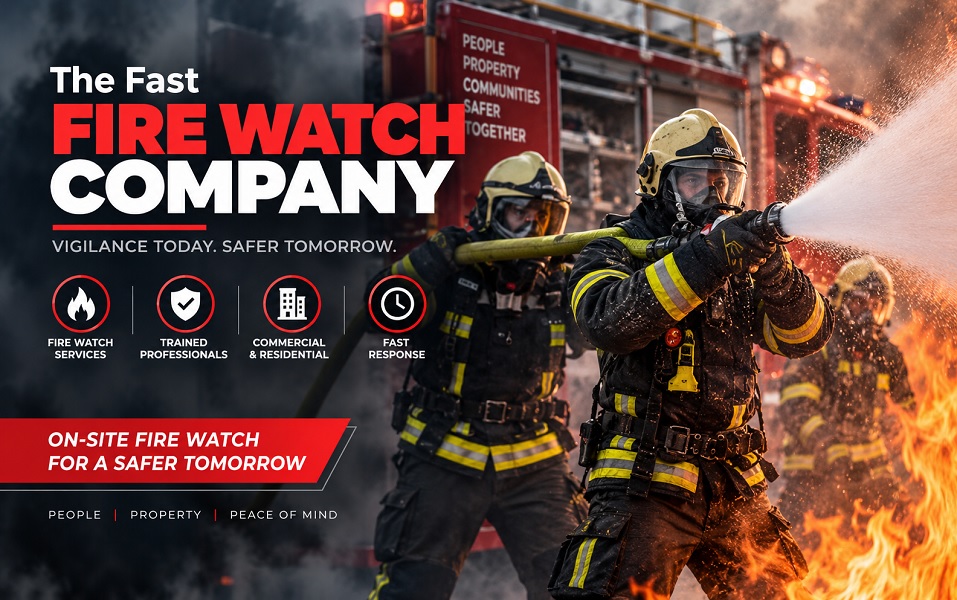
The Critical First Minute of a Fire Emergency
When a fire breaks out on your property, every second counts toward protecting lives and assets. The Fast Fire Watch Company understands that the first 60 seconds determine whether a situation becomes manageable or catastrophic. Immediate recognition and response during this window can mean the difference between minor damage and total loss.
Understanding Fire Growth in the Initial Phase
Fire spreads exponentially during the first minute, doubling in size every 30 to 60 seconds under ideal conditions. Heat rises rapidly, creating thermal layers that can ignite materials far from the original source. Smoke production begins immediately, reducing visibility and creating toxic conditions that threaten occupants before flames even reach them.
The ignition phase involves three critical elements working together: heat, fuel, and oxygen. As temperature climbs past 500 degrees Fahrenheit, nearby combustible materials begin releasing flammable gases. This process, called pyrolysis, creates a self-sustaining cycle that accelerates fire growth beyond human control without proper intervention systems.
Detection Systems and Their Response Time
Modern fire detection technology operates within seconds of smoke or heat appearance. Advanced sensors can identify particulate matter from combustion before visible smoke fills a room. These systems trigger alarms automatically, alerting occupants and emergency services simultaneously through connected monitoring networks.
Wireless detection networks provide redundancy that traditional wired systems cannot match. Battery-backed sensors continue functioning during power outages, ensuring continuous protection around the clock. Integration with building management systems allows for automated responses like shutting down HVAC units to prevent smoke circulation throughout the structure.
Human Response Patterns During Emergencies
People typically take 15 to 30 seconds to recognize a fire alarm and process the threat. This cognitive delay, called response latency, occurs because the brain seeks confirmation before accepting danger. Training and regular drills reduce this hesitation, enabling faster evacuation and emergency protocol activation.
Panic can override training during actual emergencies, causing irrational behavior and delayed action. Clear signage, well-lit exit paths, and audible instructions help guide occupants even when stress impairs decision-making. Staff members designated as fire wardens provide leadership that keeps groups moving efficiently toward safety.
Automated Suppression System Activation
Sprinkler systems respond to heat rather than smoke, activating individual heads when ambient temperature reaches their rated threshold. This targeted approach minimizes water damage while controlling fire spread at its source. Modern systems can suppress 90 percent of fires before fire department arrival.
Chemical suppression systems protect specialized areas like server rooms and electrical panels where water would cause additional damage. These systems flood protected zones with inert gases or chemical agents that interrupt the combustion process. Activation occurs within seconds of detection, creating an immediate barrier against fire progression.
Communication Protocols and Emergency Notification
Emergency communication systems must alert all building occupants within the first 30 seconds of fire detection. Voice evacuation systems provide clear instructions that reduce confusion and prevent bottlenecks at exits. Multi-language capabilities ensure that diverse workforces receive understandable guidance during crises.
External notification happens simultaneously through automated dialing systems that contact fire departments and building management. These systems transmit exact location data and building information that helps responders prepare before arrival. Integration with security systems can unlock doors and disable access controls that might otherwise trap occupants.
Evacuation Procedures and Assembly Points
Organized evacuation requires pre-planned routes that avoid fire spread paths and smoke accumulation zones. Primary and secondary exit strategies account for blocked pathways, ensuring alternative escape options remain available. Floor wardens verify that all areas are cleared before following established routes to safety.
Assembly points located at safe distances allow for headcount verification and prevent re-entry attempts. These locations must be far enough from the building to avoid falling debris and heat exposure. Clear communication at assembly points keeps evacuees informed about emergency response progress and return authorization.
Fire Department Response and Arrival Coordination
Professional fire responders typically arrive within 4 to 8 minutes of emergency calls in urban areas. Pre-arrival information transmitted by building systems helps crews prepare appropriate equipment and tactics before reaching the scene. This advance intelligence can include fire location, building layout, and hazardous material storage details.
On-scene coordination between building personnel and fire commanders accelerates suppression efforts significantly. Key holders provide access to locked areas while fire wardens report last-known occupant locations. This partnership maximizes the effectiveness of professional response during the critical early intervention window.
Property Protection Strategies During the First Minute
Immediate actions to protect valuable assets can begin while evacuation proceeds in an organized manner. Fire-resistant safes and storage units protect critical documents and data from heat and smoke damage. Automated systems can lower fire shutters over high-value areas, creating physical barriers against flame spread.
Digital asset protection involves automatic backup systems that preserve data even if hardware is damaged. Cloud-based storage ensures that business continuity can resume quickly after the emergency passes. Physical inventory protection through strategic placement away from high-risk areas reduces potential losses during fire events.
The Fast Fire Watch Company Protection Services
Businesses seeking comprehensive fire protection benefit from professional monitoring and rapid response capabilities. The Fast Fire Watch Company provides 24/7 surveillance services that detect threats before they escalate into major emergencies. Trained fire watch personnel maintain constant vigilance over properties during construction, system maintenance, or elevated risk periods.
Professional fire watch services fill gaps that automated systems cannot address alone. Human observers can identify hazards like blocked exits, improper storage of flammable materials, or suspicious activity that might indicate arson risk. This proactive approach prevents fires from starting rather than simply responding after ignition occurs.
Long-term Fire Safety Planning and Prevention
Sustainable fire protection requires ongoing assessment and improvement of all safety systems and procedures. Regular inspections identify deteriorating equipment, blocked pathways, or changed building conditions that create new risks. Documentation of these assessments provides evidence of due diligence for insurance and regulatory compliance purposes.
Training programs must evolve alongside building changes and occupancy patterns to remain effective. New employees require orientation to emergency procedures, while existing staff need refresher training to maintain readiness. Investment in fire prevention today prevents catastrophic losses and protects the people who depend on safe building environments tomorrow.